
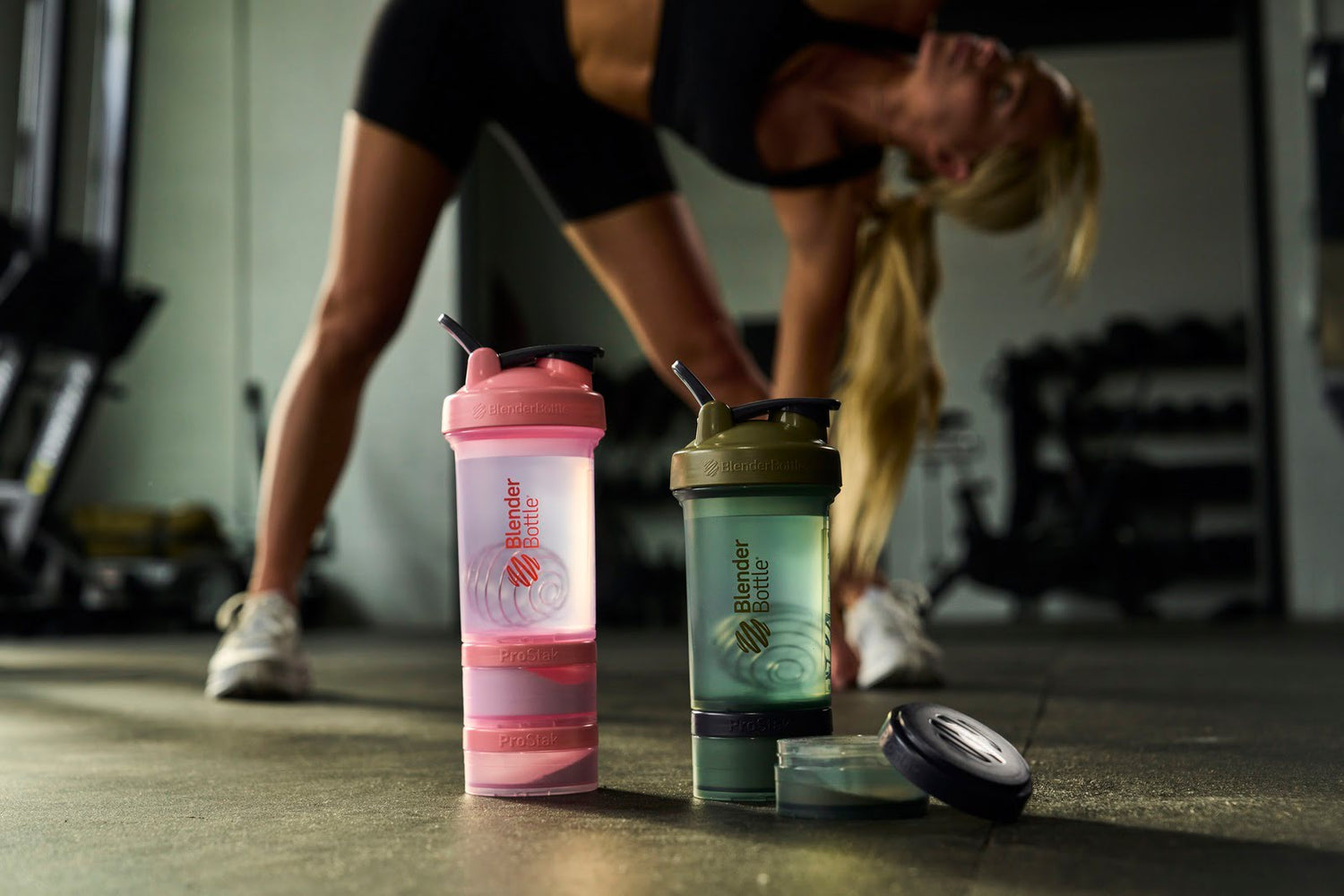
Summer is made for getting outside. Longer days make it easier to squeeze in an early run, hit the gym after work, or tackle a weekend hike, and there's something motivating about training under blue skies.
But warmer weather also asks more of your body. Higher temperatures can leave you feeling gassed sooner, make your usual pace feel slower, and turn a routine lift into a workout that feels surprisingly challenging.
The good news? You don't have to put your summer training on hold. With a few smart adjustments to how you train, hydrate, and recover, you can keep building strength, improving endurance, and staying consistent all summer long.
Train Smarter, Not Hotter
Summer isn't the time to prove how tough you are—it's the time to train smart.
If you have the flexibility, aim for early morning or evening workouts when temperatures are lower. Whether you're chasing a new PR in the gym, training for your next race, or working through a strength program, cooler conditions let you focus on performance instead of fighting the heat.
Can't avoid a midday session? Adapt the workout instead of skipping it.
-
Turn today’s heavy squat day becomes a volume-focused session
-
Shift from long runs into intervals
-
Move your workout indoors
The best training plans leave room to adjust because consistency always beats one heroic workout.
Before jumping into heavy compound lifts or sprint intervals, spend a few minutes warming up with dynamic stretching. A proper warm-up helps prepare your muscles and joints for the work ahead, no matter how hot it is outside.
Hydration Is Part of the Program
Think of hydration the same way you think about your warm-up or post-workout meal—it's part of the plan.
Training in the heat means you're sweating more, which means you're losing both fluids and electrolytes. Even a small drop in hydration can impact your strength, endurance, focus, and recovery, making every workout feel harder than it should.
Start hydrating before your workout, not halfway through it. Keep an insulated water bottle or your favorite Pro Series Shaker with you throughout the day and make drinking more water a habit instead of an afterthought.
Whether you're mixing a pre-workout, an electrolyte drink, or a post-workout protein shake, having a reliable shaker nearby makes it easier to stay fueled from your first warm-up set to your last.
The better hydrated you are, the better your body can perform when it's time to get to work.
Don't Chase PRs Every Day
If your working sets feel heavier than usual or your pace is off, don't assume you've lost progress.
Heat naturally increases your heart rate and forces your body to work harder to stay cool. That means the same workout that felt comfortable in the spring may feel noticeably tougher.
Instead of chasing numbers, train based on effort. Focus on quality reps, good technique, and consistent movement. Whether you're working through a hypertrophy block, training for endurance, or simply trying to stay active, adjusting your intensity is part of smart programming—not a setback.
Progress comes from stacking quality workouts over time, not forcing one perfect session.
Recovery Is Where Progress Happens
You don't build muscle when you put the weights down—you build it while your body recovers.
After a challenging summer training workout, prioritize a protein shake or protein-rich meal to support muscle recovery and help you recover faster before your next workout.
If you're increasing your protein intake this summer, it's also worth learning how much protein is too much so you can fuel your goals without overthinking your nutrition.
Don't overlook the basics, either. A proper cool-down, quality sleep, and a rest day when your body needs one can do more for your performance than squeezing in another mediocre workout. The athletes who keep progressing aren't always the ones training the hardest—they're the ones recovering well enough to train hard again tomorrow.
Take Your Summer Training Outside
The gym will always be there, but summer gives you the chance to mix things up.
Trade the treadmill for a trail run. Take your conditioning to the local track, or if you're looking to crank up the intensity, mix in a few HIIT workouts. Bring kettlebells to the park or finish leg day with hill sprints instead of the stair climber.
Even a bodyweight workout or functional fitness circuit in your backyard can challenge your strength, coordination, and endurance without requiring a fully equipped gym.
Don't forget to pack an insulated stainless-steel shaker or water bottle so your water, or recovery shake, stays cold long after your workout starts.
Changing your environment keeps training fresh while helping you build well-rounded fitness. Plus, spending time outdoors can be a great reminder that exercise doesn't have to happen inside four walls.
Know When to Push and When to Pull Back
There's a difference between pushing through discomfort and ignoring warning signs.
Feeling hot, sweaty, and out of breath during a summer workout is expected. Feeling dizzy, nauseous, confused, or super weak isn't.
If something feels off, stop training immediately. Move to a cool area and hydrate—then give your body time to recover before deciding whether to continue. There's no trophy for pushing through dangerous conditions. The smartest athletes know that listening to their bodies is part of becoming stronger over the long term.
Keep Showing Up
Not every workout is going to feel amazing, especially when the forecast is working against you.
Some days you'll lift a little lighter. Some days your run will be slower than planned. That's not a step backward—it's part of becoming a better athlete.
Progress isn't built on one perfect workout or one massive PR. It's built by showing up consistently, making smart decisions, and putting together weeks and months of quality training.
So grab your favorite insulated shaker, fill your Koda water bottle, lace up your shoes, and get after it. The heat doesn't have to derail your goals—it simply challenges you to train a little smarter on the way there.

Leave a comment
All comments are moderated before being published.
This site is protected by hCaptcha and the hCaptcha Privacy Policy and Terms of Service apply.